A Penny Born from War
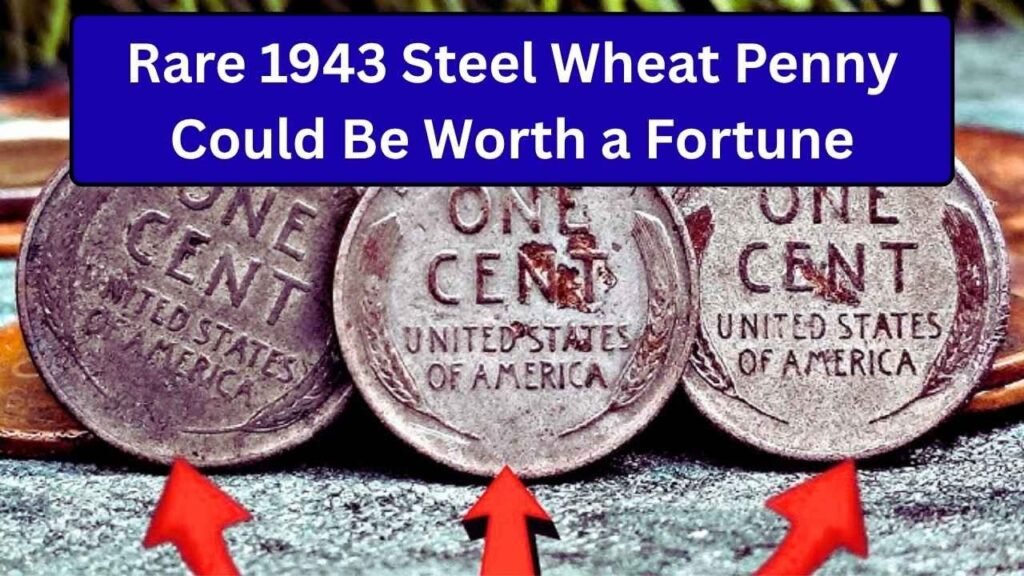
Back in 1943, America was deep in World War II. Copper was needed for things like bullets and wires. The U.S. Mint switched to making pennies from steel coated with zinc. This gave the coins a silver look instead of the usual reddish brown. People called them steel pennies or wartime cents. Over a billion were made that year across three mints: Philadelphia, Denver, and San Francisco. Most folks didn’t like them at first because they got rusty easy and looked like dimes. But now, they stand as a cool piece of history from tough times.
What Makes It Stand Out
The steel penny has Abraham Lincoln on one side, just like other wheat pennies from 1909 to 1958. The back shows two wheat stalks around “One Cent.” A small letter under the date tells where it was made: nothing for Philadelphia, D for Denver, S for San Francisco. These coins weigh about 2.7 grams and stick to magnets because of the steel. Regular ones aren’t super rare since so many were minted. But some have minting mistakes that jack up the price. For example, double strikes where parts look blurry or doubled. Folks often mix them up with the real rarities from that year.
How Much Is It Worth Now?
Most 1943 steel pennies you find in old jars or change are worth just a few cents if worn out. But if they’re in top shape, prices climb. Circulated ones go for 10 to 50 cents. Uncirculated can fetch $1 to $5 or more. Rare errors like off-center strikes or wrong planchets push values higher. Here’s a quick look at average values based on condition and mint:
| Condition | Philadelphia (No Mark) | Denver (D) | San Francisco (S) |
|---|---|---|---|
| Circulated | $0.10 – $0.50 | $0.15 – $0.60 | $0.20 – $0.75 |
| Uncirculated (MS60+) | $1 – $5 | $2 – $7 | $3 – $10 |
| Gem (MS68) | Up to $500 | Up to $1,000 | Up to $2,775 |
These numbers come from recent sales and can change with the market.
The Real Treasure: The 1943 Copper Error
Here’s where it gets exciting. A few 1943 pennies were accidentally made from copper instead of steel. Only about 20 are known to exist. These mistakes happened when leftover copper blanks got used by error. One sold for over $200,000 years ago, and recent auctions hit even higher. In 2021, a nice one went for $372,000, and another topped $500,000. If you think you have a copper 1943, it won’t stick to a magnet and looks bronze. Get it checked by pros because fakes are out there. These are the ones that could make you rich overnight.
Spotting the Real Deal
To tell a real 1943 steel penny from a fake, start with a magnet. Real ones stick strong. Fakes might be copper plated over steel or something else. Check the weight: around 2.7 grams. Look at the date and details under a magnifying glass for sharpness. Rust spots are common on old ones, but too much wear might lower value. If it’s copper colored, it could be that super rare error. But watch out, some folks paint steel pennies to trick people. Always have a coin expert grade it.
Why Collectors Love Them
Coin hunters dig these pennies because they tie right into American history. They’re cheap to start collecting, so anyone can join in. If you find one, keep it safe in a holder to avoid more rust. Join clubs or check online forums for tips. Values keep going up slow but steady, especially for top grades. Who knows, that dusty jar in grandma’s attic might hold a small fortune. Next time you sort change, give those old pennies a second look. You might just strike gold, or steel in this case.