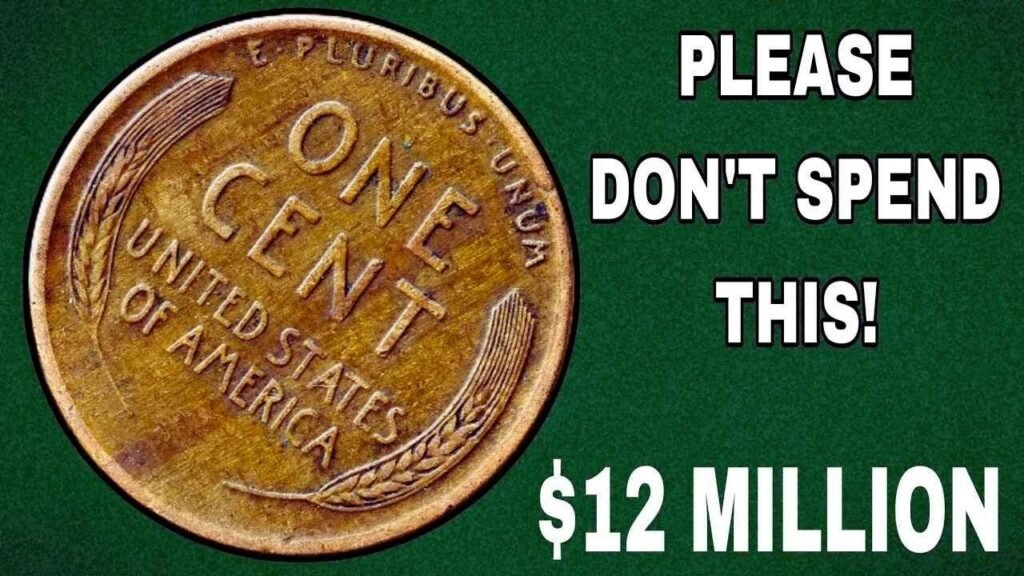
Could Your Pocket Change Be Worth $21 Million? : Imagine finding a penny in your pocket that could change your life forever. It might sound like a dream, but for coin collectors and history lovers, this dream is very real. A rare version of the Lincoln Wheat Penny has recently made headlines for being valued at an unbelievable $21 million. This small copper coin, which most people overlook every day, has become one of the most valuable coins in American history.
The Lincoln Wheat Penny, first introduced in 1909, is more than just a coin it’s a symbol of America’s heritage. But what makes one of these pennies worth millions? Let’s dive into the fascinating story behind this tiny treasure.
The Origin of the Lincoln Wheat Penny
The Lincoln Wheat Penny was first minted in 1909 to celebrate the 100th birthday of President Abraham Lincoln. It replaced the Indian Head cent and became the first U.S. coin to feature a real historical figure instead of a symbolic image.
The design, created by Victor David Brenner, features Lincoln’s portrait on the front and two wheat stalks on the back — representing growth, prosperity, and American pride.
Over the years, the U.S. Mint produced these coins from 1909 until 1958 in three locations:
- Philadelphia (no mint mark)
- Denver (D)
- San Francisco (S)
Though billions of Wheat Pennies were made, a few rare varieties contain minting errors or unique metals, making them worth small fortunes today.
The $21 Million Lincoln Penny
So how can a simple one-cent coin be worth $21 million? The answer lies in its rarity and the circumstances surrounding its creation. One of the most famous examples is the 1943 Bronze Lincoln Wheat Penny a coin mistakenly struck in bronze instead of zinc-coated steel during World War II.
In 1943, copper was reserved for war supplies like bullets and wire, so pennies were supposed to be made from steel. However, a few bronze blanks were accidentally left in the presses and used to mint a handful of coins. Only a few of these are known to exist today, making them incredibly valuable.
Experts believe that one of these ultra-rare bronze pennies in pristine condition recently sold for nearly $21 million in a private auction, breaking all previous coin records.
Why This Penny Is So Valuable
Several factors contribute to the jaw-dropping value of this coin. Collectors and historians agree that a combination of historical context, rarity, and preservation sets it apart.
- Minting Error: It was struck on the wrong metal planchet (bronze instead of steel).
- Limited Quantity: Only a handful were made perhaps 10 to 15 in existence.
- Perfect Condition: Coins graded MS-65 or higher are extremely rare.
- Historical Significance: It’s tied to World War II, a defining era in U.S. history.
The blend of rarity, story, and demand from collectors makes this one of the most valuable coins ever discovered.
How to Identify a Rare Wheat Penny
You don’t need to be a professional numismatist to check your pennies. Many rare coins have been found in ordinary pocket change or old coin jars. Here’s what to look for:
- The coin must have the Wheat design on the reverse (two stalks of wheat).
- Check the year 1943 is the most famous one to look for.
- Use a magnet steel pennies will stick, but the rare bronze ones will not.
- Inspect for mint marks like “D” (Denver) or “S” (San Francisco).
- Check for unique color bronze has a reddish tone compared to silver-gray steel.
If you find something unusual, don’t rush to clean or polish it. Instead, get it professionally evaluated by PCGS or NGC.
Other Valuable Wheat Pennies
While the $21 million coin is the most famous, other Wheat Pennies can also fetch big money:
- 1909-S VDB Lincoln Penny: Up to $2,000 or more.
- 1914-D Wheat Penny: Valued at $10,000 in fine condition.
- 1922 No D Wheat Penny: Around $5,000 depending on grade.
- 1944 Steel Penny: Valued between $75,000 and $100,000.
Collectors actively seek these coins, so it’s worth taking a closer look at your spare change.
Where to Find Rare Pennies
Many people assume all the valuable coins have already been found, but that’s not true. Some have surfaced in surprising places, decades after minting.
Here are common spots to check:
- Old coin jars or family piggy banks
- Inherited collections from grandparents
- Yard sales, thrift stores, or estate sales
- Coin roll hunting from banks
Thousands of coin enthusiasts regularly search through rolls of pennies, hoping to uncover that once-in-a-lifetime find.
How to Preserve a Valuable Coin
If you think you’ve found a rare Wheat Penny, proper care is essential. Mishandling can ruin the coin’s surface and drastically reduce its value. Follow these simple rules:
- Handle coins by the edges, never the faces.
- Keep them in a soft plastic holder or coin capsule.
- Avoid moisture, heat, or cleaning chemicals.
- Have it graded by a professional before selling.
Once authenticated, you can sell the coin at major auction houses like Heritage Auctions or Stack’s Bowers, where collectors pay top dollar for rare finds.
The Fascination with Rare Coins
Part of the reason rare coins like the Lincoln Wheat Penny fascinate people is their ability to connect the past to the present. Each coin carries a piece of American history from the industrial age to wartime struggles all represented in something as small as a penny.
Coin collecting, or numismatics, isn’t just about profit. It’s about preserving history and appreciating the craftsmanship that has endured for more than a century.
Why Rare Coins Still Appear in Circulation
It may surprise you, but rare coins occasionally show up in everyday change. People often forget or overlook the small details that separate a common coin from a valuable one. Many families have passed down coins without realizing their true worth.
That’s why collectors encourage everyone to look closely at their change even a simple penny could be worth a fortune.
The Lincoln Wheat Penny is more than just a one-cent coin; it’s a piece of American history and a symbol of incredible rarity. The story of the 1943 Bronze Penny, valued at $21 million, proves that treasures can appear in the most unexpected places.