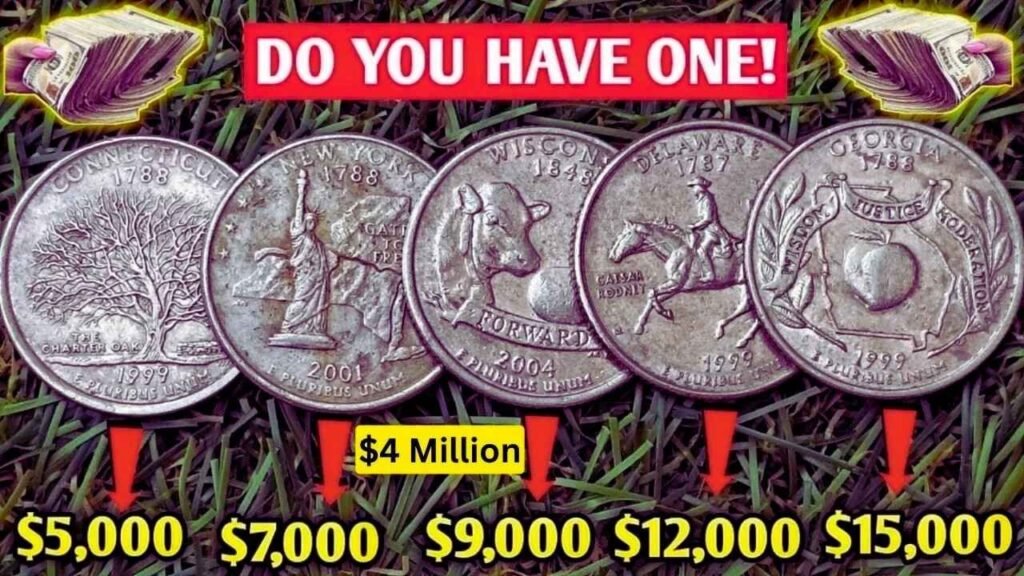
A Quick Look Back at These Cool Coins
Back in 1976, America threw a huge party for its 200th birthday, and the U.S. Mint got in on the fun by making special quarters. These Bicentennial quarters show George Washington on the front with the dates 1776-1976 stamped right under his chin. Flip it over, and you see a young drummer boy marching with a torch and 13 stars circling above – a nod to the original colonies and military spirit. Over 1.6 billion got made in places like Philadelphia, Denver, and San Francisco, so they’re super common in old jars or grandma’s piggy bank. Most are worth just 25 cents today, but a few rare ones with mistakes or special touches can turn into a small fortune – we’re talking up to $4 million for the luckiest finds.
What Makes One Worth a Ton?
The big bucks come from three main things: errors during minting, the coin’s metal makeup, and how fresh it looks after all these years. Mints crank out billions, but slip-ups like double-stamping or using the wrong blank piece happen rarely, making those coins hot for collectors. Silver versions from San Francisco pack 40% silver instead of the usual copper-nickel mix, and if they’re flawless, prices soar. Top condition matters too – think shiny, untouched surfaces graded MS68 or higher by pros like PCGS or NGC. A single near-perfect silver one sold for $19,200 back in the day, but error legends whisper of million-dollar hauls.
Step-by-Step: How to Check Your Coin
Grab a magnifying glass or phone app like CoinSnap, and let’s dig in – no fancy tools needed at first. Start with the basics on the front side, right below Washington’s portrait: Look for a tiny letter. No mark means Philadelphia (super common). A “D” is Denver, also everyday stuff. An “S” screams San Francisco – jackpot potential for silver or proofs. Now scan the edges: Regular coins show a copper streak; silver ones look all shiny gray with no copper peek. Weigh it if you can – silver tips the scale at about 5.75 grams versus 5.67 for clad. Hunt for errors next: Double up on letters like “LIBERTY” or the dates? That’s a doubled die, worth hundreds to thousands. Off-center designs, missing bits, or strikes on wrong blanks (like a dime planchet) scream rare – one such error fetched $9,200. Finally, rub your finger over it gently: Smooth and bright with no scratches or wear? It might grade high.
Top Errors and Values at a Glance
Not all errors pay the same, but here’s a simple rundown of what to watch for and rough values based on recent sales. These can shift with market hype, so get yours checked pro-style.
| Error or Feature | What to Spot | Possible Value |
|---|---|---|
| Doubled Die Obverse | Doubling on “LIBERTY” or dates | $500 – $8,400 |
| Off-Center Strike | Design shifted, part missing | $200 – $2,000 |
| Silver Proof (S Mint) | All-silver edge, mirror shine | $5 – $19,200 in top grade |
| Clipped Planchet | Chunk of edge missing | $50 – $500 |
| Wrong Planchet (e.g., on dime) | Smaller size or odd weight | $1,000 – $216,000 rare cases |
A pristine MS68 from Denver even hit $6,463 once. But that $4 million buzz? It’s hype around ultra-rare errors like a “missing clad layer” showing pure copper core – think one-in-a-billion odds.
Don’t Get Fooled – Next Moves If It Looks Good
Scams pop up with fake “rare quarters,” so stick to facts from sites like PCGS or NGC – never clean your coin, as it tanks the shine. If it passes your eyeball test, snap clear photos and head to a local coin shop or mail it to a grader. Apps can give a quick vibe check too. Remember, even non-jackpots make fun keepsakes for the grandkids. With America’s 250th coming in 2026, these coins might heat up more. So dust off that change drawer – your next coffee run could bankroll a vacation. Happy hunting, folks; who knows what history’s hiding in your pocket?