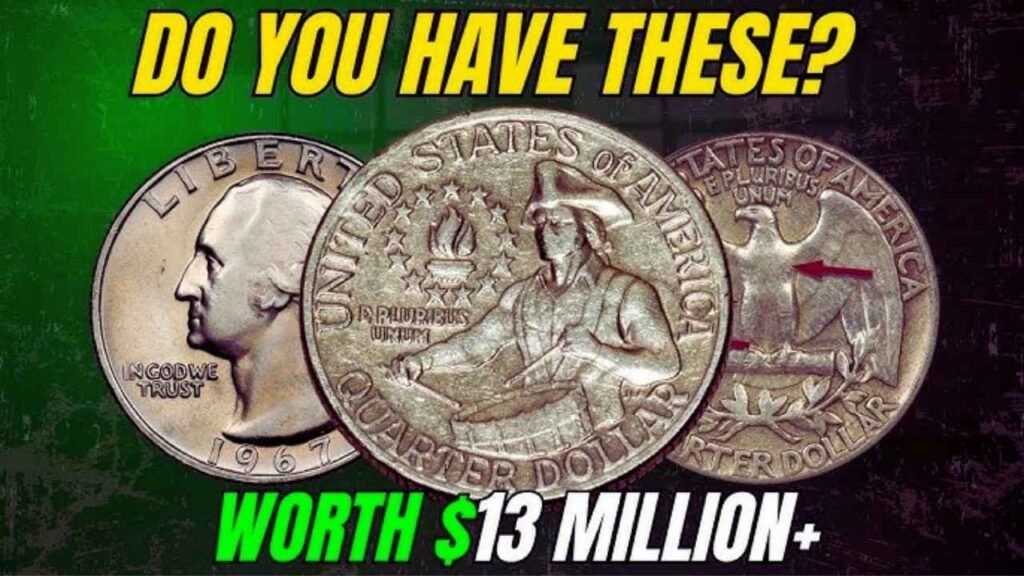
The 1976 Bicentennial quarter is one of the most popular U.S. coins ever made. Even today, these special quarters still show up in everyday change, and some of them are surprisingly valuable. This article breaks down which Bicentennial quarters are worth money, why they matter, and how you can spot the rare ones.
What Makes the 1976 Bicentennial Quarter Special
The Bicentennial quarter was created to celebrate America’s 200th birthday. It features a drummer on the back instead of the usual eagle, making it easy to recognize. Even though millions were made, certain versions are still collectible because of:
- Limited production varieties
- Special silver versions
- Rare minting errors
These factors can push a regular-looking quarter into the valuable range.
Circulating Quarters Worth Checking Today
Many people assume all Bicentennial quarters are common, but some types still appear in circulation. These are the ones worth keeping an eye out for. Most of them look normal at first glance but hold extra value due to where and how they were made.
The Silver Bicentennial Quarter Variety
A small number of Bicentennial quarters were made with 40% silver, and some of these still slip into circulation. These coins feel slightly different and have a brighter shine. You can identify a silver quarter by checking the coin’s edge. A silver version usually does not show the copper stripe common on regular quarters.
Why Mint Marks Matter
Bicentennial quarters were made at three main locations: Philadelphia (no mint mark), Denver (D), and San Francisco (S). Among these, the San Francisco versions can be more valuable because they were made in smaller numbers. The silver and proof varieties also came from this mint.
Valuable Errors Found in Circulation
Some Bicentennial quarters contain minting mistakes, which make them stand out to collectors. These rare issues often remain unnoticed for decades. Common high-value errors include:
- Off-center strikes
- Double die features
- Misprinted designs
Finding one of these in circulation is rare, but not impossible.
The Distinctive Drummer Design
The back of the 1976 quarter features a colonial drummer, which makes this coin one of the most recognizable in U.S. history. This unique artwork attracts collectors who want a complete set of Bicentennial coins, keeping demand strong even today.
How to Identify a Valuable Quarter at Home
You don’t need special tools to spot a potentially valuable Bicentennial quarter. Simple checks can help you determine whether your coin is worth keeping:
- Look closely for mint marks
- Examine the edges for silver
- Check for visible design errors
This quick inspection can reveal whether you have a regular quarter or something more collectible.
Condition Plays a Big Role in Value
Even though many Bicentennial quarters are still circulating, finding one in excellent condition is becoming harder. Coins with sharp details, minimal wear, and clean surfaces can be worth much more than heavily used ones.
Why These Quarters Remain Popular
The 1976 Bicentennial quarter is a piece of American history that people can still find in their pockets. Their design, story, and variety make them a fun and easy coin to collect. Whether you are a beginner or an experienced collector, these coins offer plenty of excitement and discovery.
Should You Save Every Bicentennial Quarter?
While not all Bicentennial quarters are valuable, it can be a good idea to save the ones you find. Silver versions, mint errors, and high-grade coins are becoming harder to locate as collectors continue pulling them from circulation.
Conclusion
The 1976 Bicentennial quarter remains one of the most collectible coins still circulating today. With silver varieties, mint errors, and special production issues, some of these quarters can be surprisingly valuable. If you pay attention to mint marks, edges, and condition, you may find a rare coin hiding in your spare change.
FAQs
Q1. Are all Bicentennial quarters valuable?
No, only certain varieties like silver versions, mint errors, or high-grade coins have extra value.
Q2. How can I tell if my Bicentennial quarter is silver?
Check the coin’s edge. A silver quarter usually lacks the copper-colored stripe.
Q3. Do Bicentennial quarters still show up in regular change?
Yes, many still circulate today, although rare varieties are harder to find.
Q4. What mint marks should I look for?
The “S” mint mark from San Francisco is the most collectible, especially on silver versions.
Q5. Are Bicentennial quarters worth saving?
Yes, because some versions can be valuable, and all of them hold historical significance.