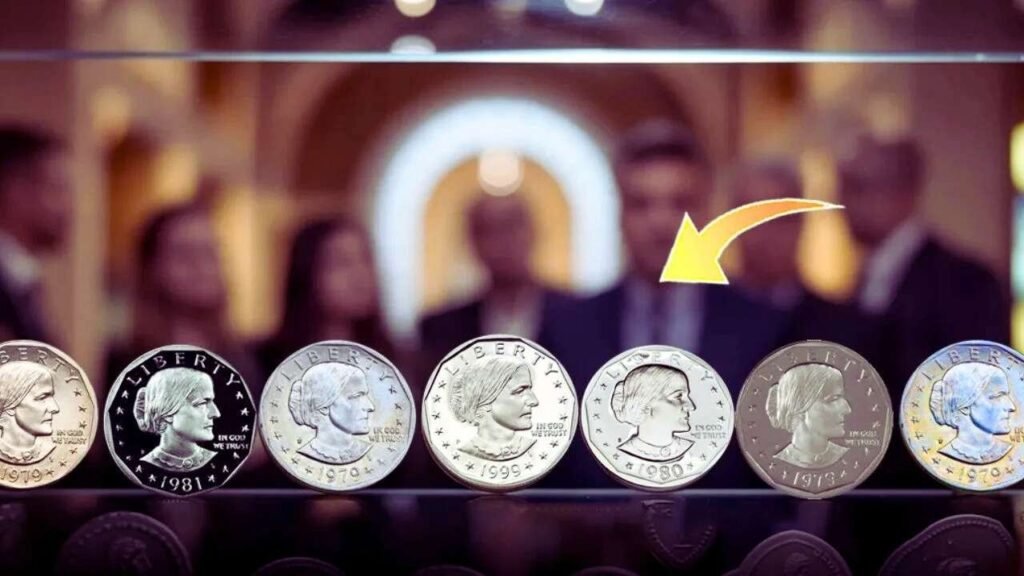
Imagine finding a simple quarter in your pocket that could change your life forever. Sounds unbelievable, right? But it’s true a rare Bicentennial Quarter, originally minted in 1976, is said to be worth up to $1 million today. This coin, celebrating 200 years of American independence, has become a collector’s dream. While millions were made, only a few carry unique errors or rare features that skyrocket their value.
In this article, we’ll explore the history of the Bicentennial Quarter, what makes certain ones worth so much, how to identify these treasures, and why they’re still in circulation today.
The Birth of the Bicentennial Quarter
In 1976, the U.S. Mint released a special quarter to celebrate America’s 200th anniversary of independence. Instead of the usual eagle design on the reverse, it featured a Colonial drummer with a torch and victory flame a patriotic tribute to the Revolution.
These coins were struck at three locations:
- Philadelphia (no mint mark)
- Denver (D)
- San Francisco (S)
Most Bicentennial Quarters were made in huge quantities for circulation, but some special versions were minted in 40% silver for collectors. These silver coins, along with a few error versions, are the ones worth a fortune today.
Why Some Are Worth $1 Million
Not every Bicentennial Quarter is valuable in fact, most are still worth just 25 cents. However, a few rare types have made headlines for being valued at hundreds of thousands or even a million dollars due to specific factors.
Here’s what sets these coins apart:
- Minting Errors: Some coins were struck on the wrong metal planchets, or have doubled dies and misstrikes.
- Silver Composition: Quarters with 40% silver content are highly sought after.
- Proof Quality: Coins minted for collectors, especially with an “S” mint mark, often have mirror-like finishes.
- Exceptional Condition: Coins graded MS-67 or higher by PCGS or NGC fetch premium prices.
Rare Bicentennial Quarter Types to Look For
While millions of 1976 quarters exist, only a few rare varieties can make you rich. Here are some of the most valuable examples known to collectors:
- 1976-S Silver Proof Quarter: Made with 40% silver; high-grade versions can sell for thousands.
- 1976-D Double Die Obverse Quarter: Shows doubling on the date and letters extremely rare.
- 1976 No Mint Mark Type 2 Quarter: Philadelphia strikes without mint marks, but with sharper details.
- Off-Center or Clipped Planchet Errors: Mistakenly struck coins with missing or misaligned edges.
Collectors have reported these coins selling for $10,000 to $1,000,000, depending on rarity and grading.
How to Identify a Rare Bicentennial Quarter
Finding a valuable quarter takes patience and a keen eye. Many people don’t realize they might already have one sitting in an old jar or drawer.
Here’s what you should check:
- Look for a drummer boy design with the dual date “1776–1976.”
- Check the edge color a silver coin has no copper stripe.
- Examine with a magnifier for errors like double strikes or off-center prints.
- Note the mint mark “S” and “D” are usually more collectible than none.
If your coin looks promising, get it evaluated by a professional grading service like PCGS or NGC.
Signs That Your Coin Could Be Valuable
Not all shiny coins are valuable, but certain features can indicate you have a hidden gem:
- High Relief Drummer Design: Deeply struck designs are rarer.
- Frosted Devices with Mirror Background: Indicates a proof or uncirculated coin.
- Perfect Condition (No Wear or Scratches): Uncirculated coins hold maximum value.
Many coin enthusiasts have found these coins unknowingly while shopping or counting change proving treasures still circulate among us.
Where to Find Rare Bicentennial Quarters
You might be surprised where these coins turn up. Despite being nearly 50 years old, millions remain in use, and rare ones sometimes appear in the wild.
Places to check include:
- Old coin jars or piggy banks
- Estate sales and garage sales
- Antique shops and flea markets
- Coin roll hunting from banks
If you’re lucky, you could stumble upon a piece of history worth thousands or even that elusive $1 million quarter.
How to Preserve and Sell Your Rare Quarter
Once you suspect your quarter is valuable, don’t clean it. Cleaning can damage the surface and drastically reduce its value. Instead:
- Handle it carefully by the edges.
- Store it in a protective holder or coin flip.
- Have it graded by professionals to certify authenticity.
- List it for sale on trusted platforms like Heritage Auctions or eBay (Coins section).
Collectors are always willing to pay top dollar for well-preserved pieces with verified history.
Other U.S. Coins Worth Big Money
While the Bicentennial Quarter gets most of the spotlight, several other U.S. coins can also bring incredible value.
Some examples include:
- 1943 Copper Penny: Worth up to $200,000.
- 1955 Double Die Lincoln Cent: Valued around $20,000.
- 1932-D Washington Quarter: Sells for $5,000–$15,000 in high grades.
- 1969-S Doubled Die Penny: Can reach $50,000 or more.
If you enjoy coin collecting or simply love treasure hunting, it’s worth checking your change for these hidden gems.
Why These Quarters Still Circulate
You might wonder why something so valuable remains in circulation. The reason is simple most people don’t know what to look for. To the average eye, these coins look just like any other quarter.
Because the majority were mass-produced, people rarely inspect them closely. But the few rare variants that slipped into circulation have continued to pass hands unnoticed waiting for the right person to discover them.
So, the next time you get change back at a store or bank, take a moment to check. You never know what might be hiding in plain sight.
Conclusion
The 1976 Bicentennial Quarter is more than just a piece of metal it’s a part of American history that holds both sentimental and potential financial value. While most are still worth 25 cents, a select few with unique features or minting errors can reach values of $1 million or more.
Collectors and treasure hunters continue to search for these elusive coins, and many are still believed to be in circulation today.
So, before you spend your next quarter, look closely that small piece of change could be the biggest discovery of your life.