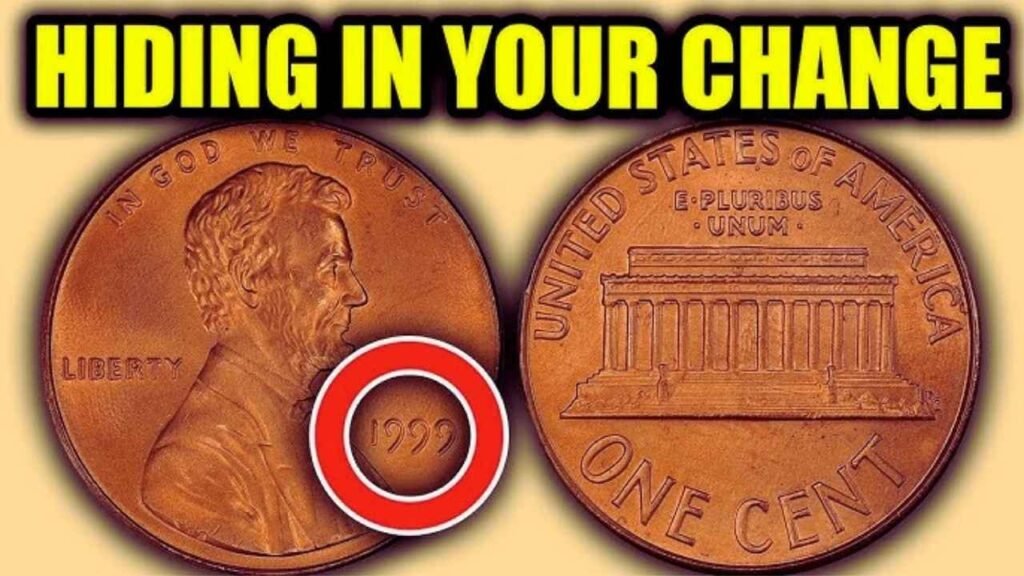
Pocket change might seem like small potatoes, but hidden among those everyday pennies could be numismatic goldmines—rare errors and key dates from the 20th century that collectors chase with big bucks. We’re talking Lincoln cents that slipped through the Mint’s fingers, still circulating in jars, couches, and vending machine returns today. These five standouts, each worth thousands to over a million in top shape, prove that a quick glance at the date and details could turn your loose change into a windfall.
What Makes a Penny Worth a Fortune?
Most pennies are just copper and zinc, valued at a cent or so for their metal. But rarity flips the script: low mintages, wartime flubs, or die mishaps create one-of-a-kind pieces that soar in auctions.
- Condition rules uncirculated “red” coins (original copper shine) fetch premiums over worn “brown” ones.
- Authentication from PCGS or NGC adds credibility and boosts resale value.
These gems often surface in estate sales or family heirlooms, but yeah, they pop up in circulation too—keep a magnifying glass handy.
The 5 Ultra-Rare Pennies Still Out There
Diving into the details, here’s the lineup of five Lincoln pennies that could eclipse gold prices (spot gold hovers around $2,500 an ounce; these pack way more punch per coin). Values are based on recent auction records for high-grade examples.
- 1943 Bronze Lincoln Wheat Penny
During WWII, pennies switched to zinc-coated steel to save copper—but a few bronze planchets snuck in, creating this holy grail. Only about 20 known across all mints, with the Philadelphia version topping charts.
- Weighs 3.11 grams (heavier than steel’s 2.7g); reddish-brown hue gives it away.
- A gem red MS-64 sold for $1.7 million in 2010; circulated ones still hit $100,000+.
- 1944 Steel Lincoln Wheat Penny
The opposite flub: post-war coppers were the norm, but a handful of leftover steel blanks got stamped in 1944. Fewer than 30 confirmed, mostly from San Francisco.
- Silver-gray color and magnetic (steel pulls to a fridge magnet).
- Average circulated: $10,000–$40,000; mint-state beauties reach $408,000.
- 1955 Doubled Die Obverse Lincoln Penny
A die misalignment doubled the date, motto, and Lincoln’s features—bold enough to spot without tools. Over a million minted, but high-grade survivors are scarce.
- Doubling clearest on “LIBERTY” and the 5 in the date.
- Worn examples: $1,000–$2,000; MS-65 red: up to $125,000 at auction.
- 1969-S Doubled Die Obverse Lincoln Penny
Similar die error to ’55, but way rarer—only a dozen or so authenticated, with strong doubling on the date and “LIBERTY.” Discovered decades later in change.
- Thick, shelf-like doubling visible to the naked eye.
- Circulated: $10,000+; top-grade MS-68: $126,500 record sale.
- 1909-S VDB Lincoln Wheat Penny
The first-year VDB (Victor’s initials) on the reverse, from San Francisco’s tiny 484,000 mintage. Designer drama led to quick removal, spiking rarity.
- Tiny “S” mintmark below date; VDB under Lincoln’s shoulder.
- Average circulated: $700–$1,500; MS-67 red: $168,000.
Why These Pennies Outshine Gold Today
Gold’s steady, but these coins ride collector hype—demand from shows, online bids, and TV auctions keeps values climbing. A single find can net life-changing cash, especially if it’s pristine.
- Recent trends: Wartime errors like 1943/44 pieces doubled in value since 2020.
- Market comps: Heritage Auctions and eBay sales confirm these floors, with upside for “plus” grades.
They’re not just metal; they’re history—Abraham Lincoln’s profile on a wartime goof or design scandal.
How to Spot and Hunt for These Pennies Now
Grab a cheap scale, magnet, and loupe—start sifting through rolls from banks or that forgotten jar.
- Weigh suspects: Bronze 1943 should tip 3.1g; steel 1944 sticks to magnets.
- Check dates/marks under light; errors show as fuzzy doubles.
Vending machines, garage sales, and even laundromats are hot spots—patience pays, and fakes are rare but worth a pro check.
Conclusion
These five pennies remind us that treasure hunts start in the everyday— a 1943 bronze beauty or doubled-die wonder could be lurking in your wallet, worth more than its weight in gold and then some. Don’t toss that change; inspect it. Your next flip through loose coins might just land you auction headlines and a fat check. Happy hunting—America’s pockets are full of surprises.
FAQs
Q: Are these pennies really still in circulation?
A: Yes, stragglers from decades ago turn up yearly in change or jars—collectors report fresh finds at banks and stores.
Q: What should I do if I think I have one?
A: Don’t clean it! Snap clear photos and submit to PCGS or NGC for grading fees start at $20, but payouts dwarf them.
Q: Why are wartime pennies so valuable?
A: They’re minting miracles wrong metal during shortages makes them one-in-a-billion errors with huge historical pull.
Q: Can fakes fool experts?
A: Most no pros use spectrometry for metal content, but always get certified to avoid headaches.